20 years of pioneer in xinjiang tourism for overseas travelers
Born Here, Know Best, Your Journey's Blessed
No Shopping. No Detour, 99% Excellent Review

contact UsOn Wechat
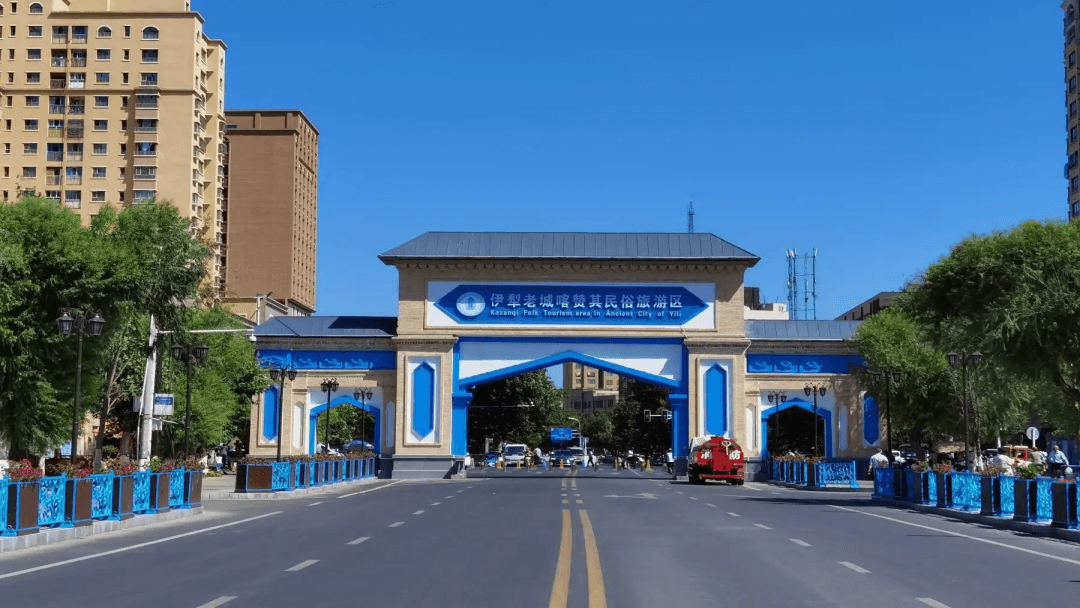
Urumqi - Dushanzi - Yining - Zhaosu - Tekes - Gongliu - Nalati - Kuitun - Urumqi
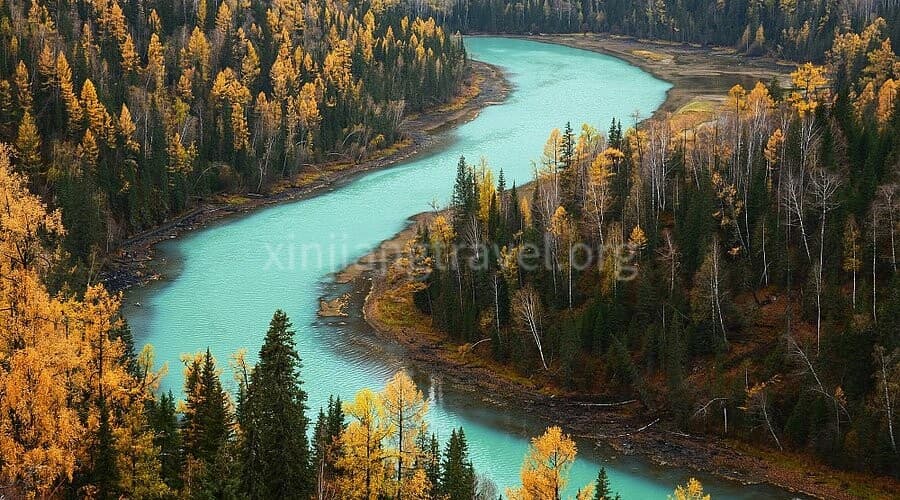
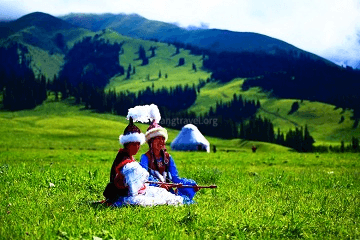
Explore the best of Northern Xinjiang on a Duku Highway tour featuring Yili, Nalati, Zhaosu and Tekes. Discover grasslands, canyons and stunning mountain scenery.
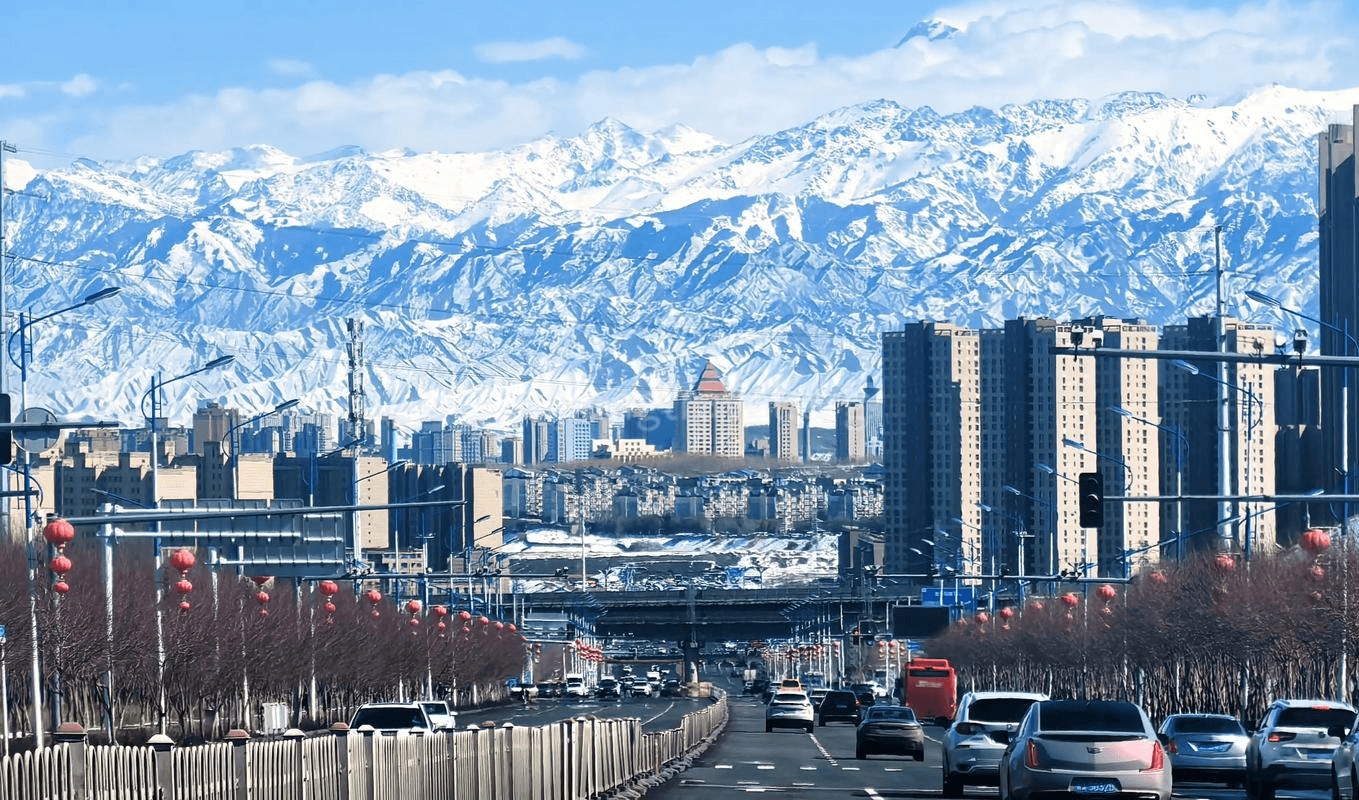
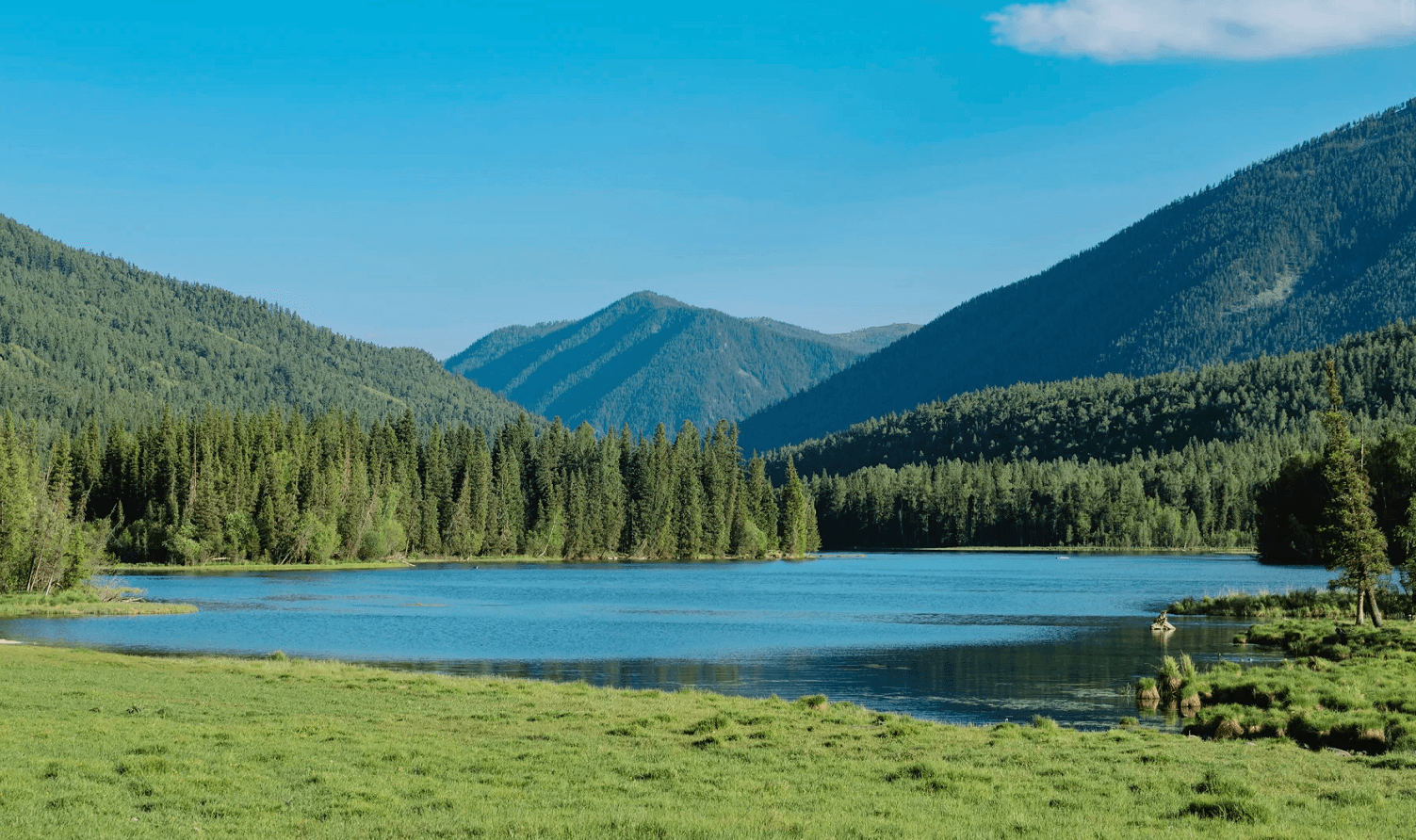
Urumqi-Kuitun-Burqin-Kanas-Hemu-Fuhai-Keketuohai-Urumqi-Turpan-Urumqi
Explore Xinjiang with this 10-day travel itinerary covering Kanas, Hemu, Keketuohai, Turpan and Urumqi. Discover alpine lakes, forests, grasslands, Silk Road history and unique cultures.
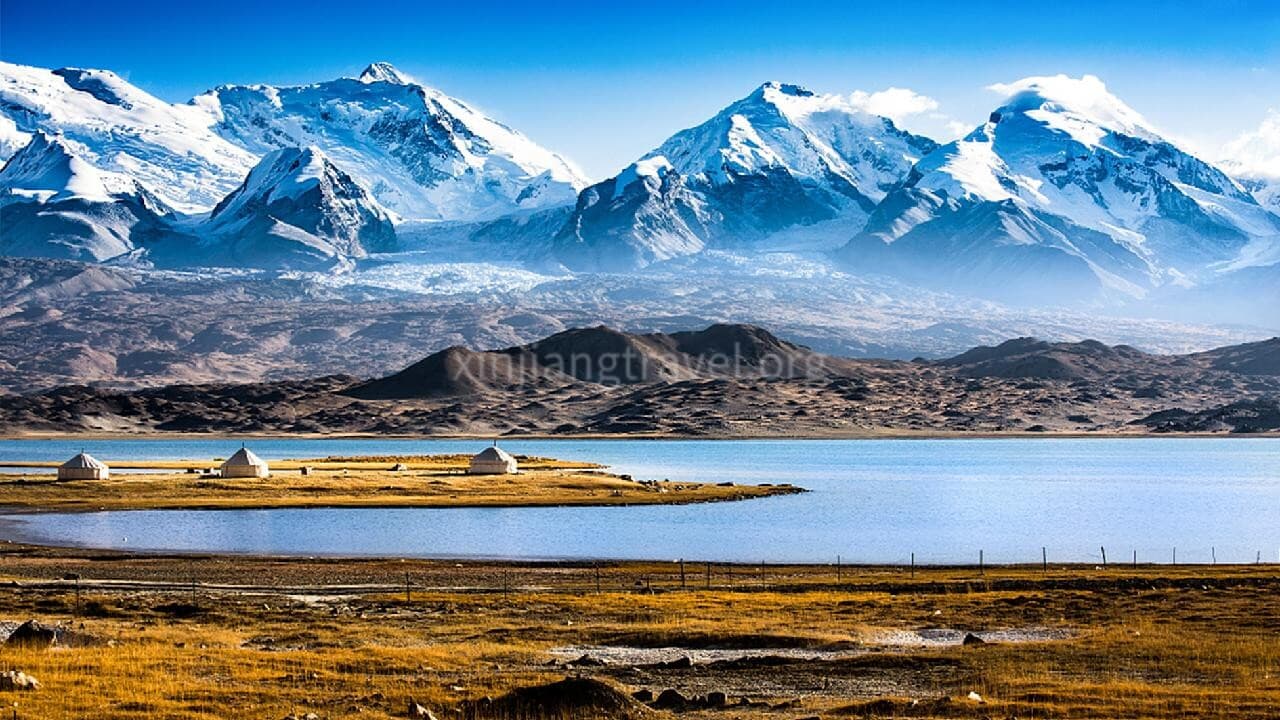
Kashgar-Karakul Lake-Taxkorgan-Nalati-Yining-Jinghe-Urumqi-Turpan
A 13-day Xinjiang tour covering Kashgar, Yili and Urumqi. Discover the Pamir Plateau, Silk Road culture, Ili grasslands, Kanas scenery and the diverse landscapes of Northern and Southern Xinjiang.
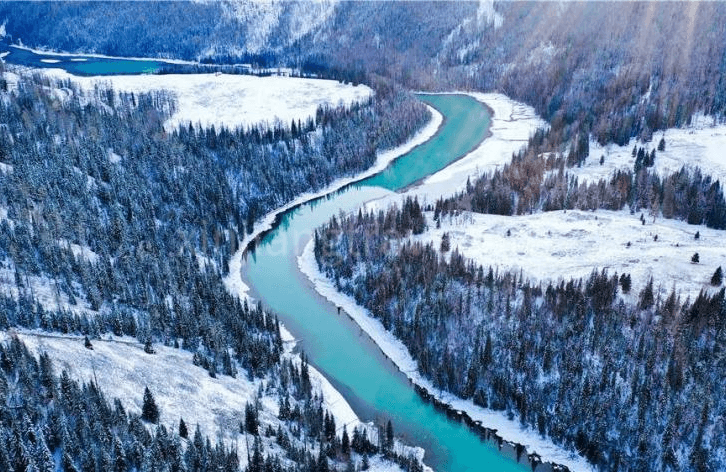
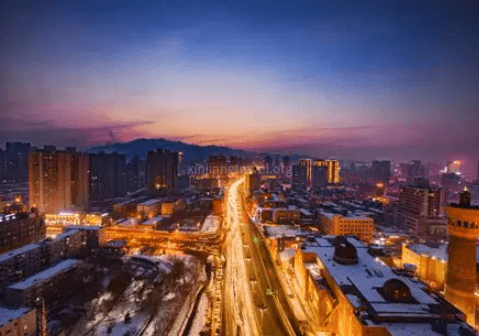
Urumqi - Fuhai - Hemu - Kanas - Urho - Urumqi
Experience the magic of North Xinjiang in winter on this 8-day tour. Explore the snow-covered Hemu village, hike the icy Three Bays of Kanas, marvel at Ulungur Lake, and discover the Urho Ghost City. A serene winter wonderland awaits you.
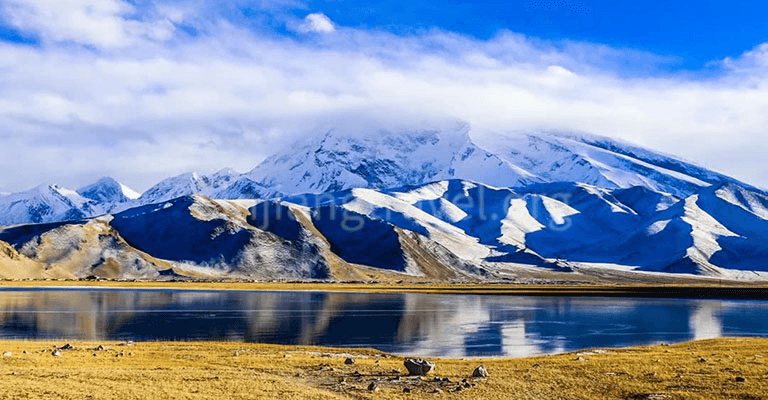
Kashgar - Taxkorgan - Zepu - Dawakun
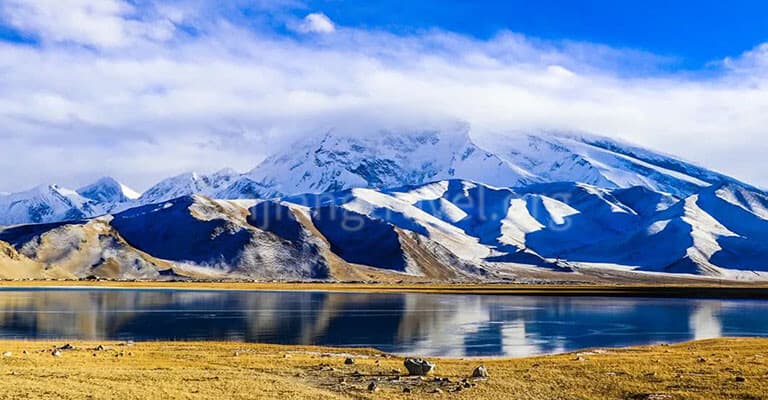
Discover Southern Xinjiang on a 7-day Kashgar & Pamir Plateau tour. Drive the Karakoram Highway past White Sand Lake and Muztagh Ata, conquer Panlong Ancient Road’s 600 bends, admire Zepu’s golden poplar forest in peak autumn, and enjoy the Dawakun Desert before returning to Kashgar’s old town.
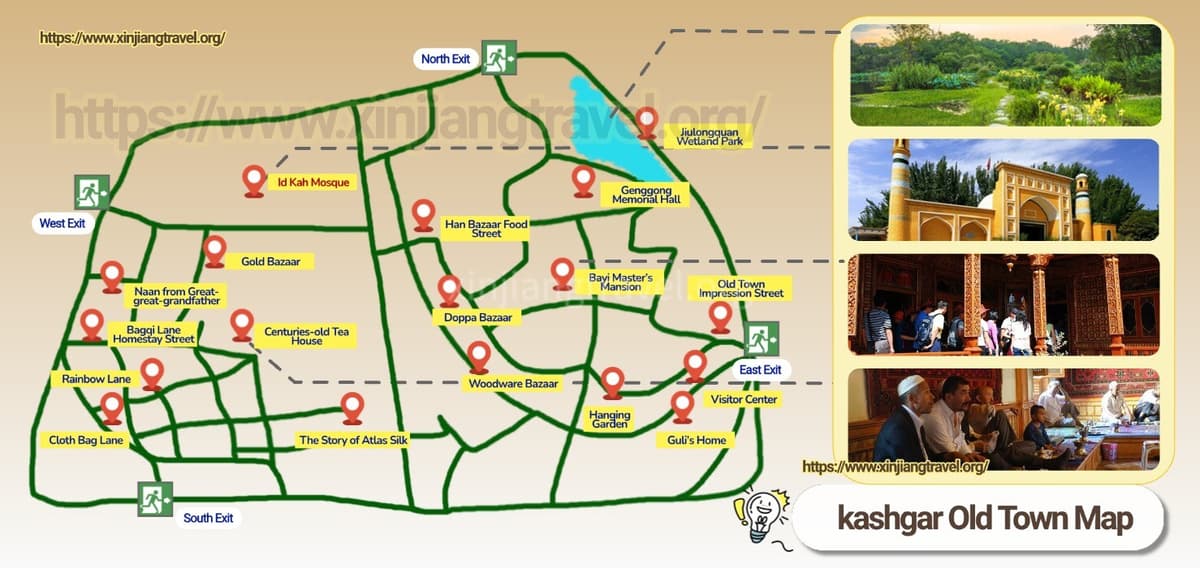
Kashgar Old Town, also called Kashgar Old City (喀什), is a neighbourhood of lanes, courtyards and market streets in central Kashgar, western Xinjiang. Explore it on foot, with time to browse a craft shop, stop for tea and return for dinner rather than trying to cover every alley in one visit.
Allow half a day for an introductory walk, or a full day split between morning and late afternoon. Walking the public streets is free; Id Kah Mosque and individual attractions have their own admission arrangements. A street being accessible does not mean that every shop, exhibition or religious building is open.
Content›How Kashgar Old Town Is Laid Out ›Best Things to Do in Kashgar Old Town ›A Half-Day Walk and a Slower Full-Day Plan |
Jiefang North Road (解放北路) is a useful reference point when finding your way around. The east gate and much of the main visitor walking area lie to its east. Id Kah Mosque and the streets around Wusitangboyi Road lie to the west. You can explore both sides on foot, crossing the main road at a designated crossing.
For a first visit, save these places on your map before leaving your hotel:
Kashgar Old Town East Gate — 喀什古城东门
Khan Bazaar — 汗巴扎
Id Kah Mosque — 艾提尕尔清真寺
Wusitangboyi Road — 吾斯塘博依路
Century-old Teahouse — 百年老茶馆
Use the east gate as your starting point if you want to see the opening ceremony. Start near Id Kah Square instead if tea, shopping and a shorter walk are your priorities. Give your driver a specific gate, square or hotel entrance: "Old Town" alone is too broad to identify a convenient drop-off point.
Khan Bazaar is a food and shopping area associated with the Old Town. It is not the same place as Kashgar's livestock market or other bazaars elsewhere in the city. Gaotai Ancient Homes, also known as the High Platform Houses, form a separate nearby visitor area; do not assume they are included in every Old Town walking route.
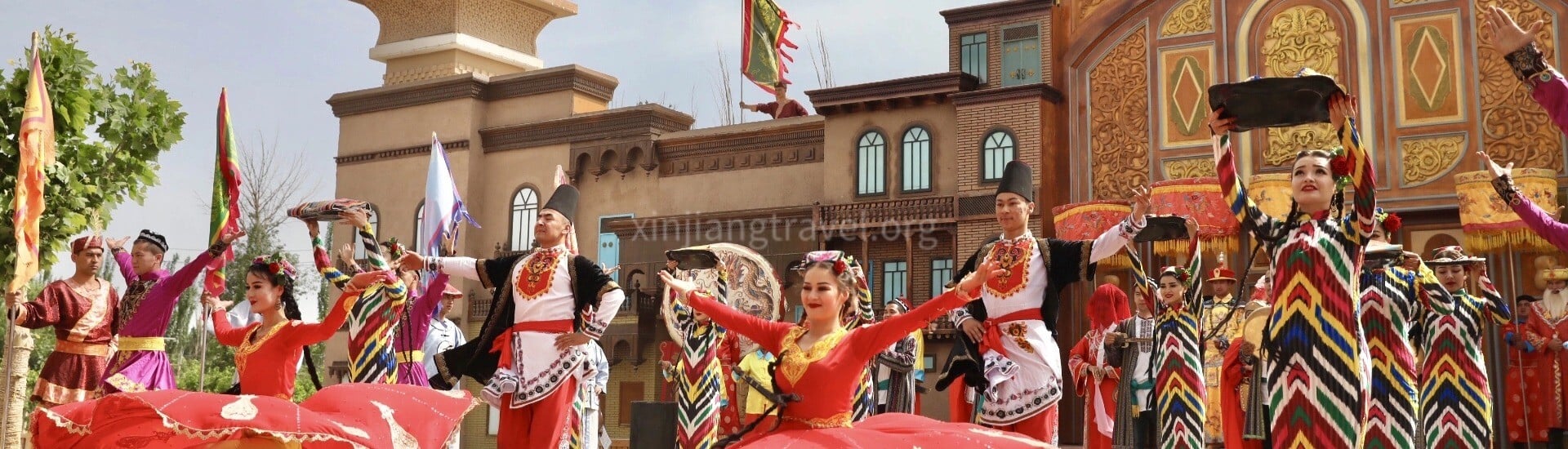
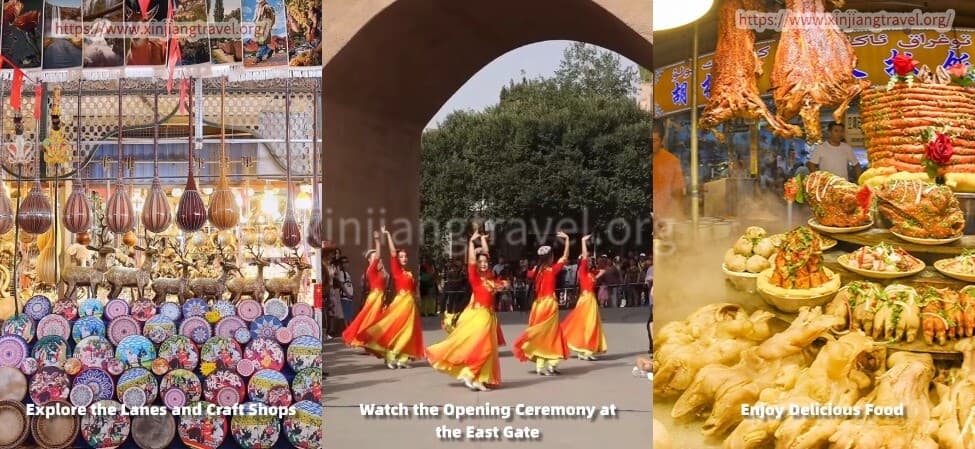
The east gate hosts a staged welcome performance with music and dance. The advertised morning start is 10:30 Beijing time; confirm the day's performance before arranging your arrival around it. Arrive ahead of the start if seeing the performance matters to you, especially when travelling with children or someone who cannot stand comfortably in a crowd.
The ceremony is an optional addition to the walk. If you miss it, continue into the lanes rather than waiting around for an unconfirmed later performance.
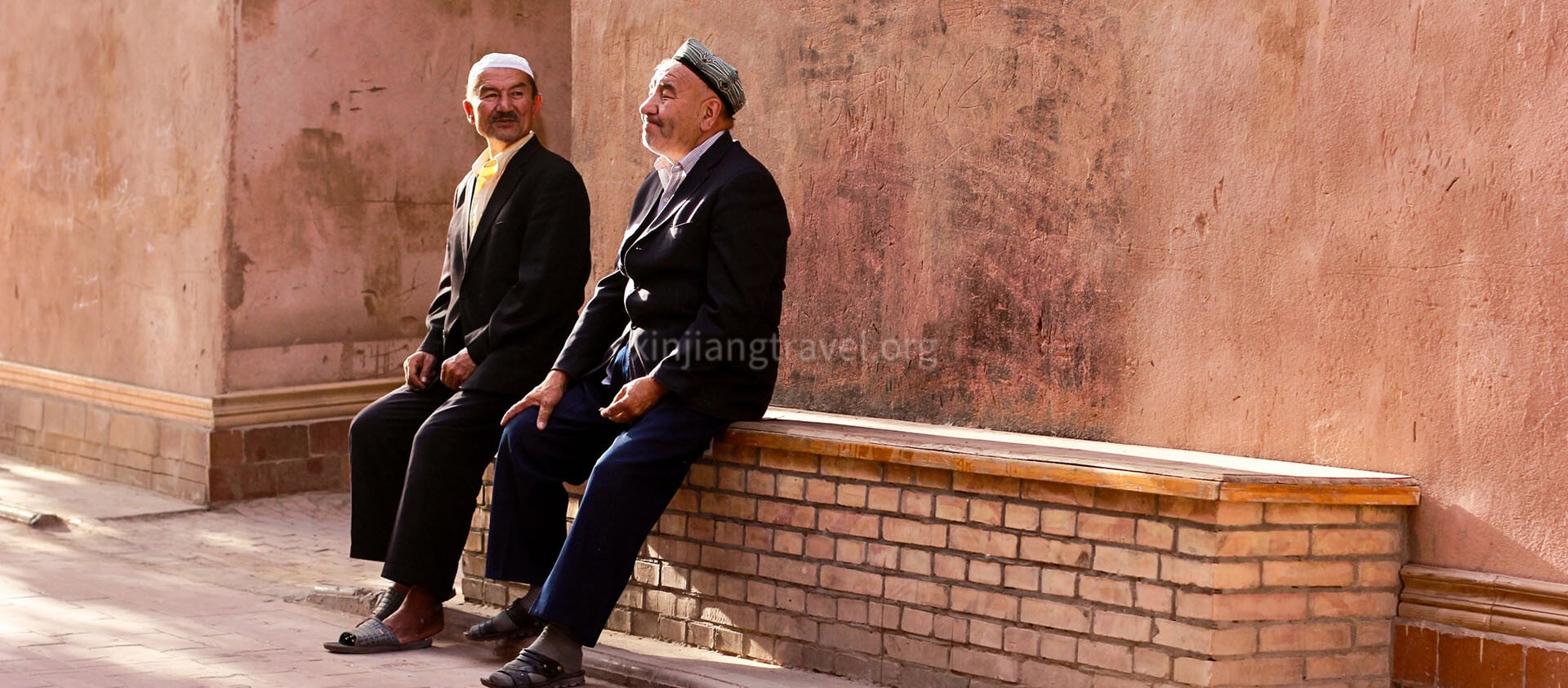
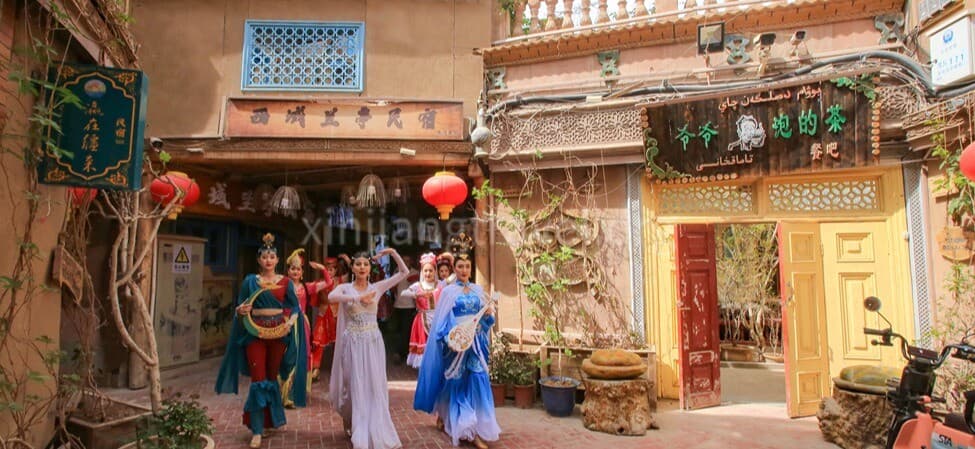
The most rewarding part of the Old Town is often the space between named attractions: a carved doorway, a shop displaying embroidered caps, or a lane that opens into a small courtyard. Follow the public streets and browse the shops that interest you rather than treating every photographed doorway as a destination.
Kashgar's history as a Silk Road trading centre gives these streets context, but the neighbourhood is not an untouched museum. Homes, businesses and visitor facilities share the same space. Ask before photographing people or work inside a shop, and enter a private courtyard only when invited.
For photography, choose a few streets and give yourself time to wait without blocking doorways. A quiet-looking alley may still be an access route for residents, deliveries and small vehicles.
Id Kah Mosque stands beside Id Kah Square on the western side of the main road. Its yellow facade makes it an easy landmark, and the square is a useful place to pause before continuing towards Wusitangboyi Road.
An interior visit is separate from walking through the Old Town. Before buying a ticket, ask which areas are open to visitors and whether religious activities affect admission that day. Do not organise the entire walk around opening hours copied from an older travel guide.
Wear clothing that covers your shoulders and knees, and follow staff instructions about shoes, head coverings and photography. Permission to enter the visitor area does not give permission to photograph worshippers or enter every room.
The Century-old Teahouse on Wusitangboyi Road fits naturally after Id Kah Square. It is a place to sit down and order tea, rather than another attraction to photograph from the doorway. Allow time for a proper break, particularly if you have spent the morning walking the eastern lanes.
Check the menu and prices before ordering. Choose another nearby café or teahouse if the room is full or the stairs are unsuitable for your group; there is no need to interrupt the rest of your afternoon to wait for a particular table.
Khan Bazaar is a practical place to look for a meal or several smaller snacks. Browse before ordering, compare portions and prices, and choose what is being freshly prepared. It works well as a lunch stop during an east-to-west walk or as a separate evening visit.
The market's evening atmosphere is a reason to return, but individual stalls keep their own hours. If you arrive late, identify an open restaurant before spending a long time taking photographs.
| Scenic Spot Name | Reference Ticket Price | Reference Driving Time (from Kashgar) |
|---|---|---|
| Kashgar Old Town | Free | — |
| Id Kah Mosque | ¥44 | About 3 hours |
| Fragrant Concubine Garden | ¥120 | About 3 hours |
| Stone City | ¥30 | About 1 hour |
| White Sand Lake | ¥40 | About 1.5 hours |
| Muje Volcanic Crater | Free | About 4 hours |
| Muztagh Ata | Free | About 1.5 hours |
| Kuqa Grand Canyon | ¥40 | About 2 hours |
| Kizil Thousand-Buddha Caves | ¥70 | About 2 hrs 40 mins |
| Panlong Ancient Road | Free | About 5 hours |
Start at the east gate, either around the opening ceremony or afterwards. Walk through the eastern lanes towards Khan Bazaar, leaving time for the shops and side streets that catch your attention. Keep Khan Bazaar as your next main map point so that browsing does not turn into repeated backtracking.
Pause for a snack or an early lunch, then head towards Jiefang North Road. Cross at a designated crossing to Id Kah Square. Visit the mosque if admission is available and it interests you; otherwise, continue towards Wusitangboyi Road and finish with tea at the Century-old Teahouse.
This is a suggested sequence of landmarks, not a requirement to follow one narrow alley throughout. Use pedestrian navigation between them and follow any local diversions. Allow roughly half a day, with more time if you enter the mosque, shop at length or stop frequently for photographs.
If time is short, keep the eastern lanes, Id Kah Square and a tea break. Drop extra exhibition visits and searches for individual photo spots first. Finish on the western side and arrange your onward taxi from an accessible roadside meeting point.
Spend the morning around the east gate and eastern lanes, then have lunch near Khan Bazaar. In hot weather, return to your hotel or take a longer indoor break instead of filling the middle of the day with more walking.
Use the late afternoon for Id Kah Square, Wusitangboyi Road and tea. You can explore additional public lanes nearby without rushing back across town. Return to Khan Bazaar for dinner if you want a market meal; this is a deliberate second visit, rather than part of a continuous walking loop.
A full day is most useful for travellers who enjoy photography, browsing and sitting down between sights. It does not need to mean walking from morning until night.
For a simple meal, look for laghman—hand-pulled noodles with a topping—or polo, a rice dish commonly cooked with meat and carrots. Naan bread and freshly cooked skewers suit a shorter stop. Order a few items first if you are unsure about portion sizes, then add more if needed.
Tell the restaurant about dietary restrictions before ordering. A vegetable dish may still contain meat stock or animal fat, and a dish's appearance is not a reliable guide to its ingredients. Keep a written Chinese explanation of any serious food allergy.
Treat tea as a break rather than assuming it replaces lunch. If you are following the half-day route, eating near Khan Bazaar before crossing towards the mosque keeps the afternoon straightforward.
Spring and autumn generally make longer walks more comfortable than the hottest part of summer. Summer still works well if you explore in the morning, rest during the afternoon heat and return later for dinner. In winter, plan a shorter outdoor walk with a warm indoor stop.
For quieter photographs, start before the busiest shopping and performance periods, accepting that some businesses may not yet be open. For food and a livelier street scene, go later in the day. Soft light and open shops do not necessarily occur at the same time.
Confirm whether an appointment or meeting time is given in Beijing time. This is especially useful when arranging a guide, a driver or a performance visit in Kashgar.
Choose accommodation near a road-accessible entrance if you have large suitcases, limited mobility or an early departure. A guesthouse deeper inside the Old Town can make morning and evening walks easier, but the final approach may be on foot.
Before booking, ask for the exact map pin, the nearest vehicle drop-off point and whether someone can help with luggage. A property described as "in the Old Town" may be on a different side from the streets you want to explore.
For a wider itinerary, the Kashgar destination guide helps you place this walk alongside other visits in and around the city. Leave separate time for attractions outside the Old Town rather than adding them to an already full afternoon.
The public streets are free to explore. Id Kah Mosque and individual attractions may require separate tickets; entry to one venue does not include others.
One morning is enough for an introductory walk through part of the Old Town. Allow longer if you want the opening ceremony, an interior mosque visit, shopping and a relaxed meal.
Yes, the main landmarks can be linked independently on foot. Save their Chinese names and map pins, and use a guide if you would like more explanation of the architecture, crafts and local history.
Choose a shorter route with a roadside start and finish. Ask about steps at specific venues and access to your accommodation; narrow lanes, uneven surfaces and upstairs seating can make an otherwise short walk more demanding.
For travellers combining Kashgar's neighbourhoods with mountain scenery, this six-day Kashgar itinerary includes the Old Town, Karakul Lake and Tashkurgan. Compare its daily programme with the time you want for walking, photography and stops along the road.